The technical decisions that make the platform suitable for a medical device, from the board to the interface.
01ARM-based hardware architecture
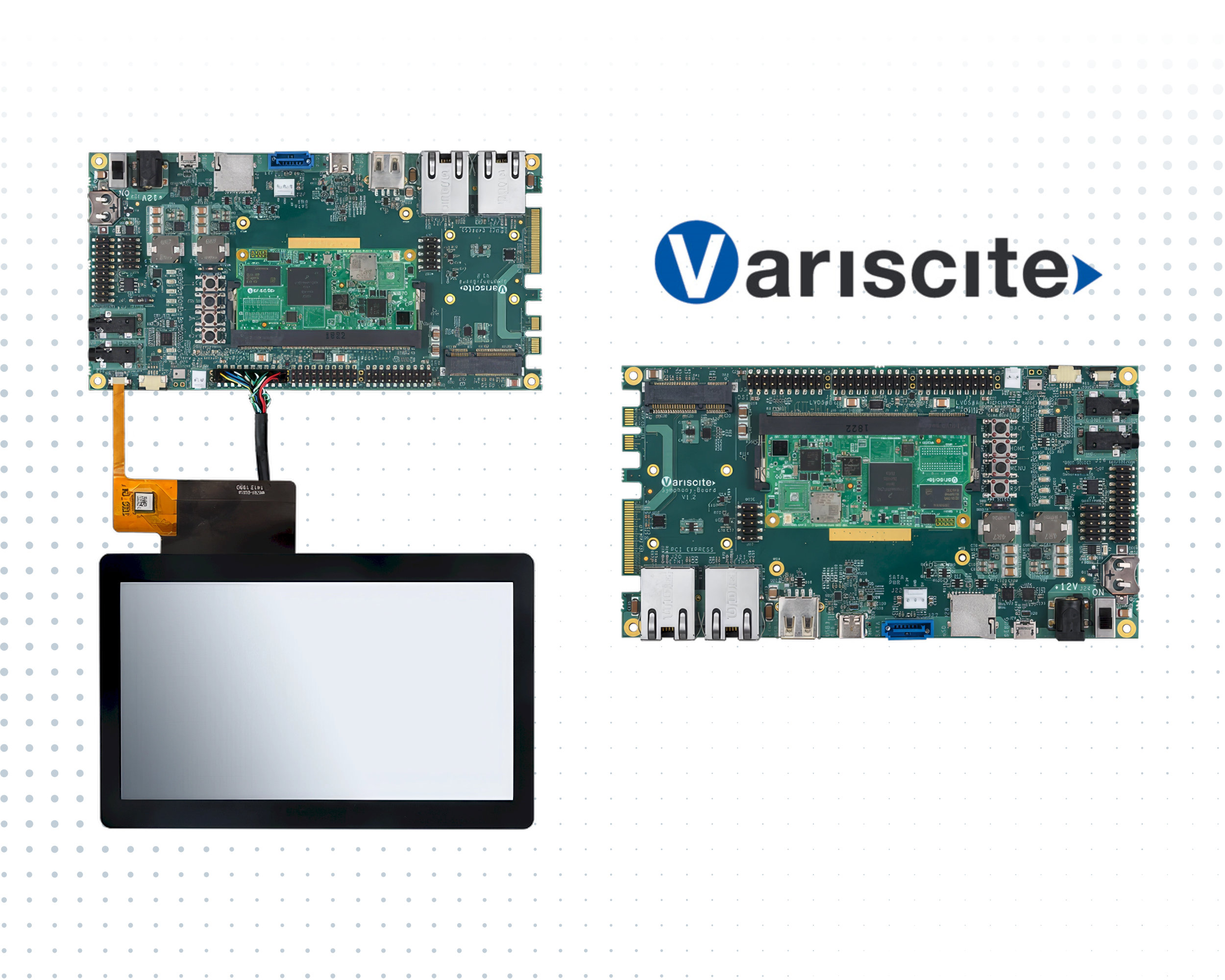
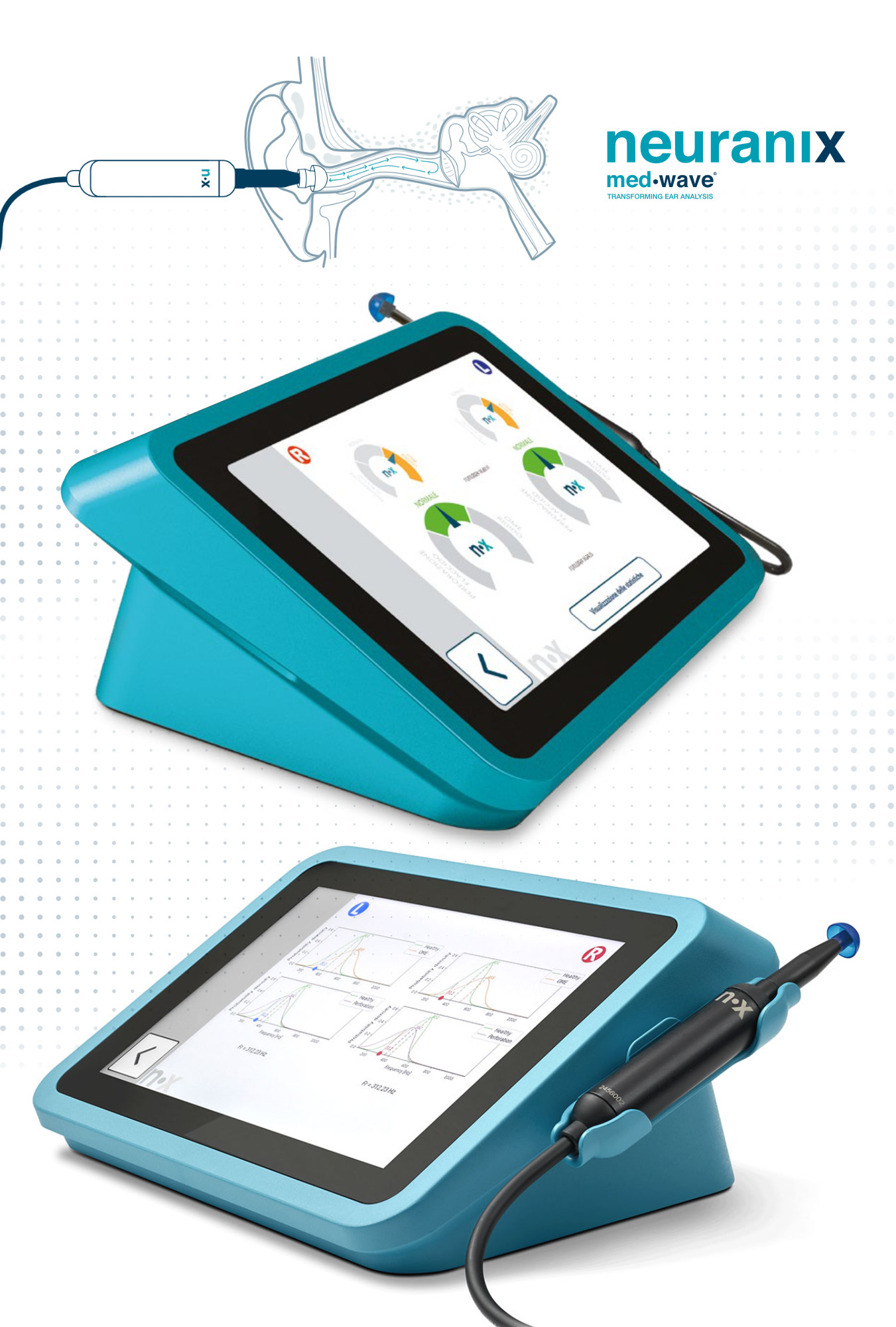
MediCore's ARM boards are designed to operate in medical and scientific environments: high energy efficiency, resilience and continuous reliability. They handle medical sensors, communication modules and laboratory devices — ECG, oxygen monitors and other diagnostic equipment — in compact hardware suited to portable or benchtop devices and to the certification clinical environments require.
02Programming in C# .NET 8
The software core is written in C# and uses the ARM board's resources directly. It is a low-level approach that allows precise control over operations, very fast response times and optimal use of memory and computing power — with direct access to hardware to handle critical data in real time, such as vital signs or high-frequency scientific measurements.
03User interface with .NET Avalonia
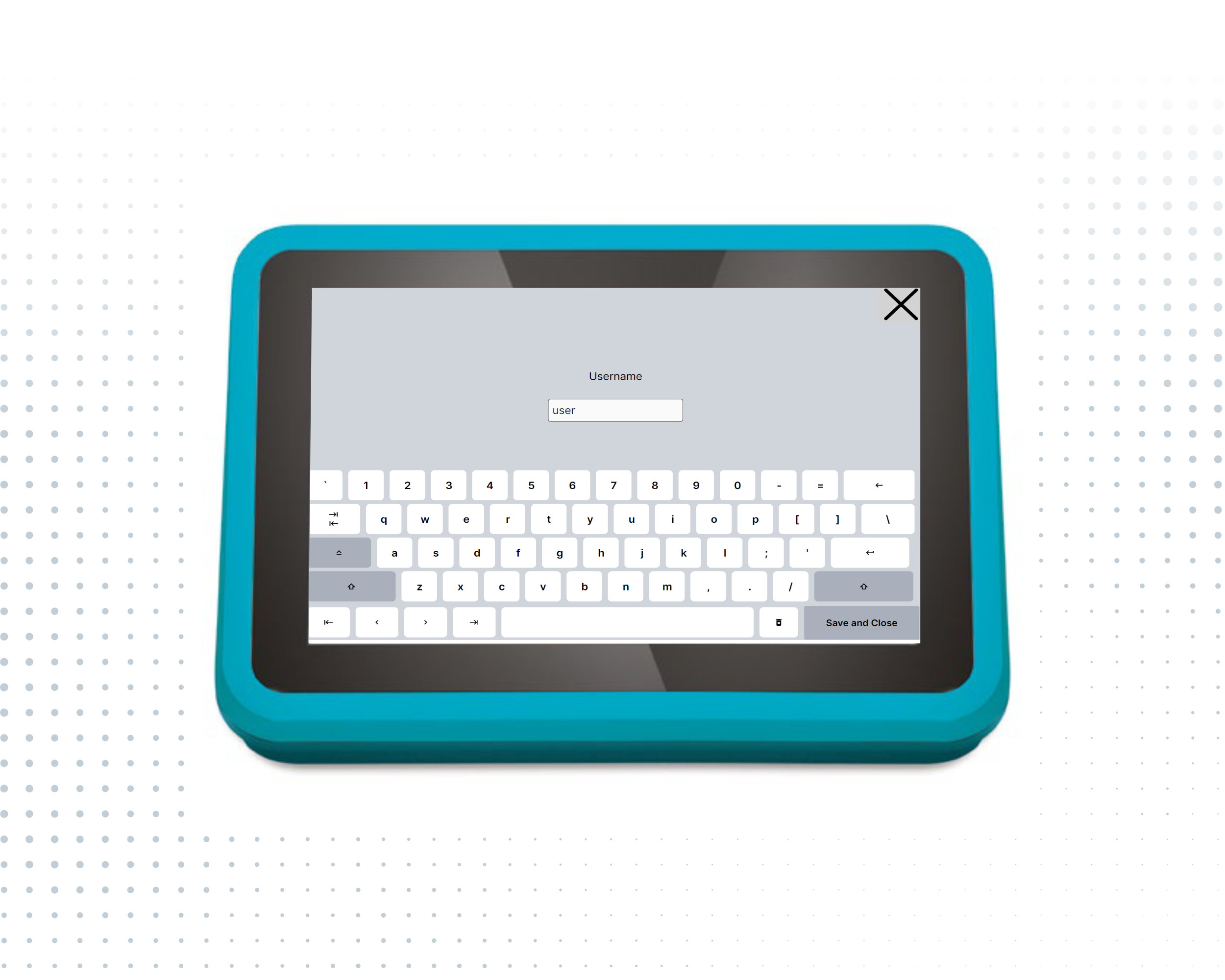
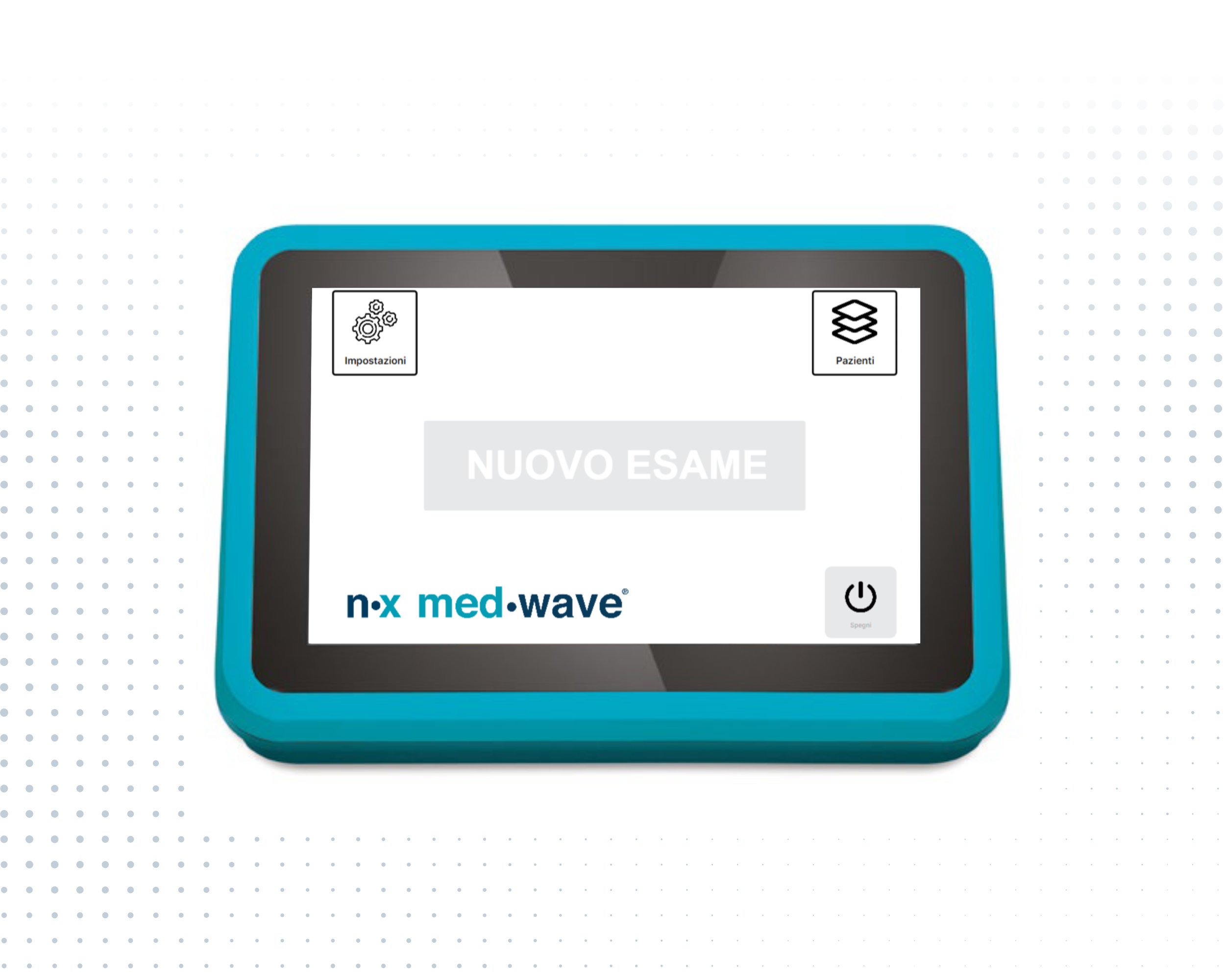
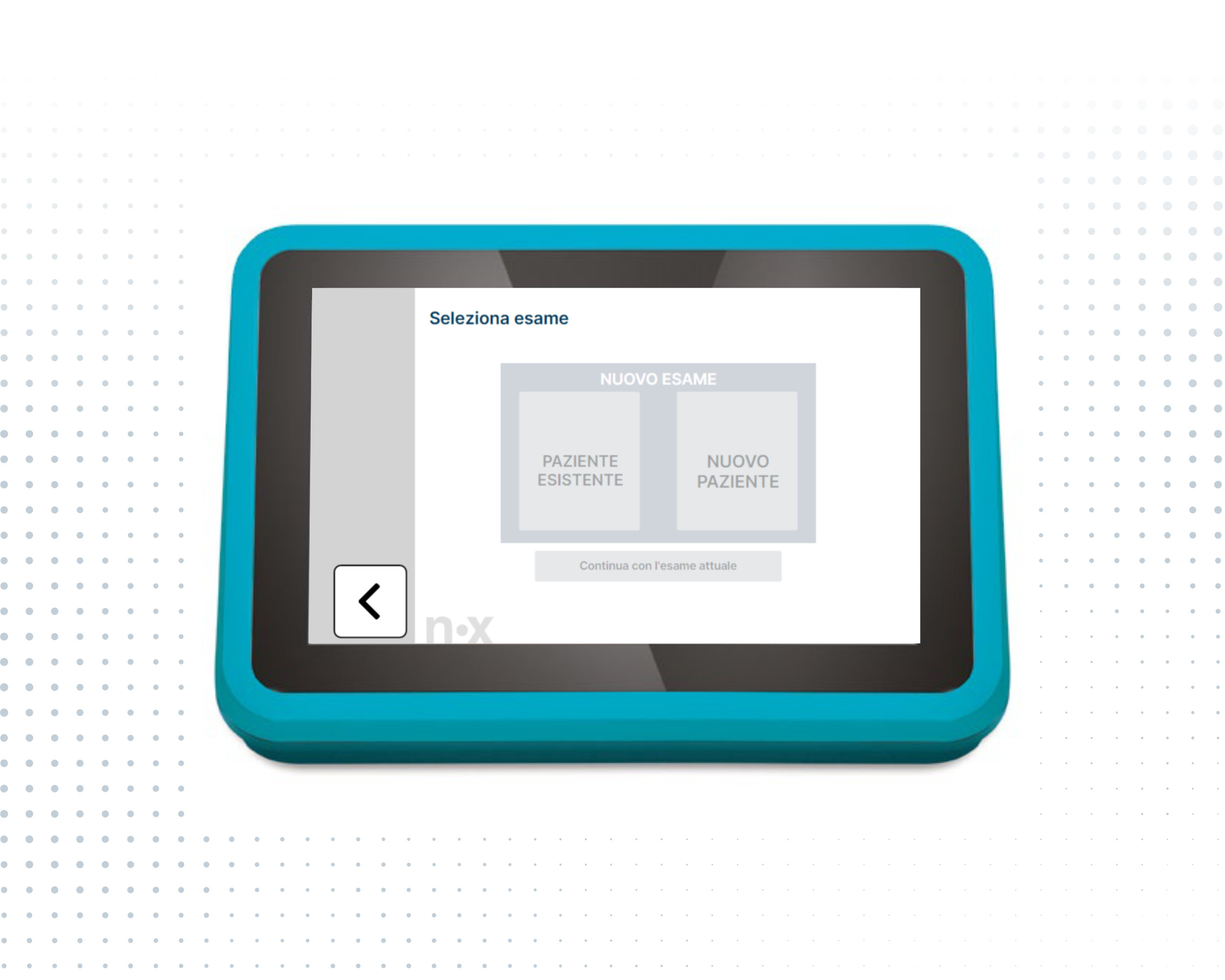
Avalonia is a cross-platform framework for rich, responsive interfaces: the same base can be adapted to different devices — Linux, Windows, Mac — reducing development costs and keeping the operation consistent. Interaction is also optimised for touch displays, in the clinic as well as in the lab.
04Security and compliance for the medical sector
The platform is designed for international medical device regulations — ISO 13485, CE, FDA — with security protocols for sensitive data, end-to-end encryption and secure key management. The system monitors its own state and logs crucial events: traceability and fast diagnosis when it matters.
05Agile development and ongoing support
Regular software updates with security and performance improvements, plus dedicated technical support. The annual development licence includes integrated hardware and software support, installation, extended support options and update packages built around the specific application.