What does AI for your business actually mean?
It means starting from processes: sales, support, documents, reporting, marketing, administration or operations. AI earns its place when it speeds up a real workflow, cuts costs or helps people decide better.
Local AI or online models?
There is no single answer. Local AI gives you more control over data and infrastructure, but it needs technical management. Online models are often more powerful and more up to date, but they demand attention to privacy, contracts, policies and the data you upload.
When is a hybrid setup the right call?
When some activities need in-house control and others need advanced capability. For example: knowledge base and sensitive data handled in a controlled way, while text generation or complex analysis runs on selected online models.
Can AI really make processes more efficient?
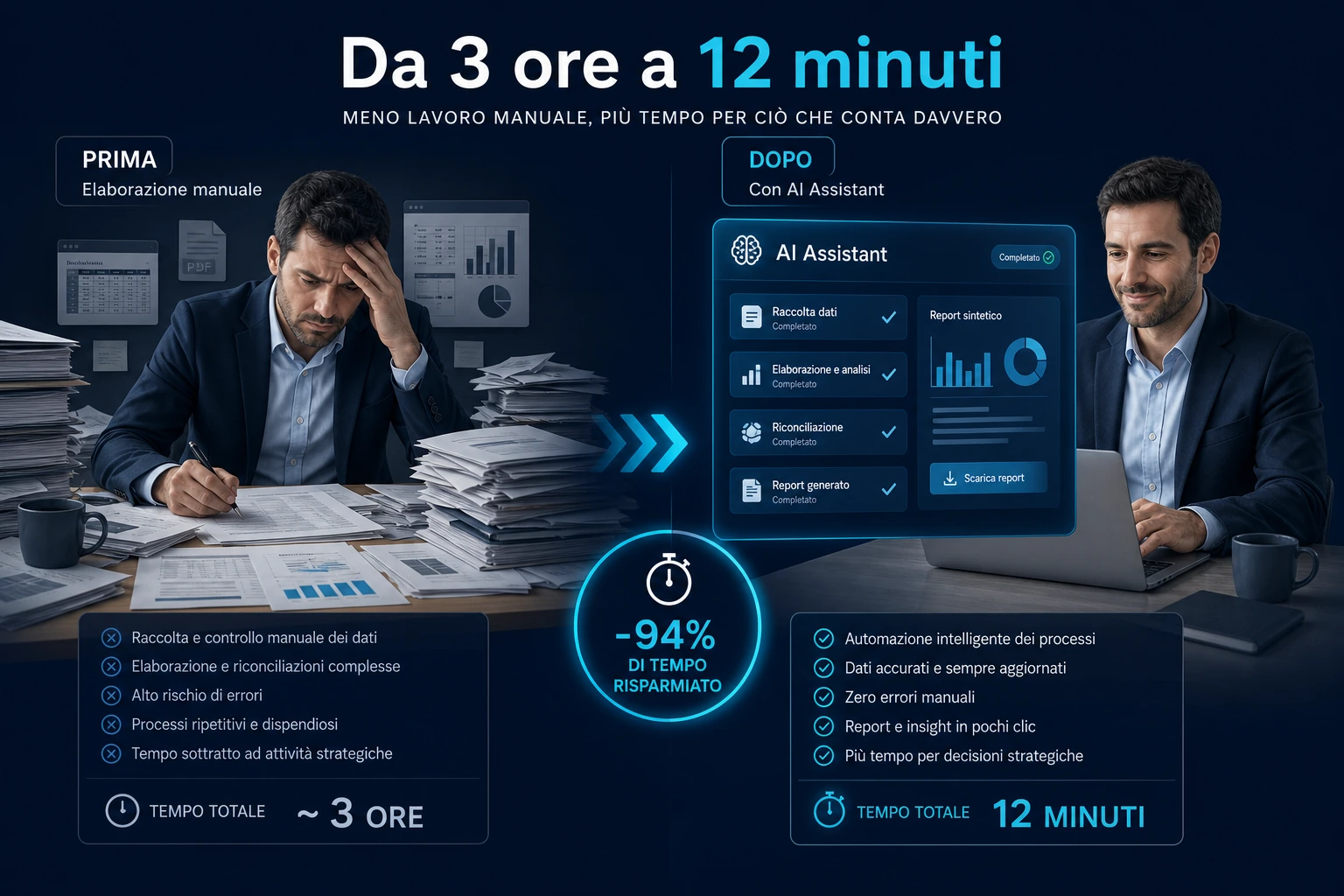
Yes, if the process is clear. It can classify requests, summarise documents, draft content, find information, fill in data, qualify leads and generate reports. It does not fix a confused process, though: map the flow first.
What changes with the European AI Act?
The AI Act takes a risk-based approach. Prohibited practices and AI literacy already matter from 2025; rules on general-purpose models, transparency and high-risk systems phase in across 2025, 2026 and 2027. For businesses it means classifying use cases, documenting them, informing people and keeping human control where it matters.
Is a company chatbot subject to transparency duties?
In general, yes: when a person interacts with an AI system, they must be informed clearly. You also need to handle consent, personal data, the assistant’s limits and the handover to a human contact.
What data should we never upload to an online model?
Unnecessary personal data, sensitive information, trade secrets, confidential contracts or customer data without a proper basis and policy. Anonymising, synthesising or using more controlled architectures is often the better route.
How do we start without betting on a huge project?
Pick one measurable first process: lead qualification, documents, internal support, reporting or routing requests. Build a prototype, measure the saving and then decide whether to scale.